collectibleinfinite.com

Buy Iraqi Dinar

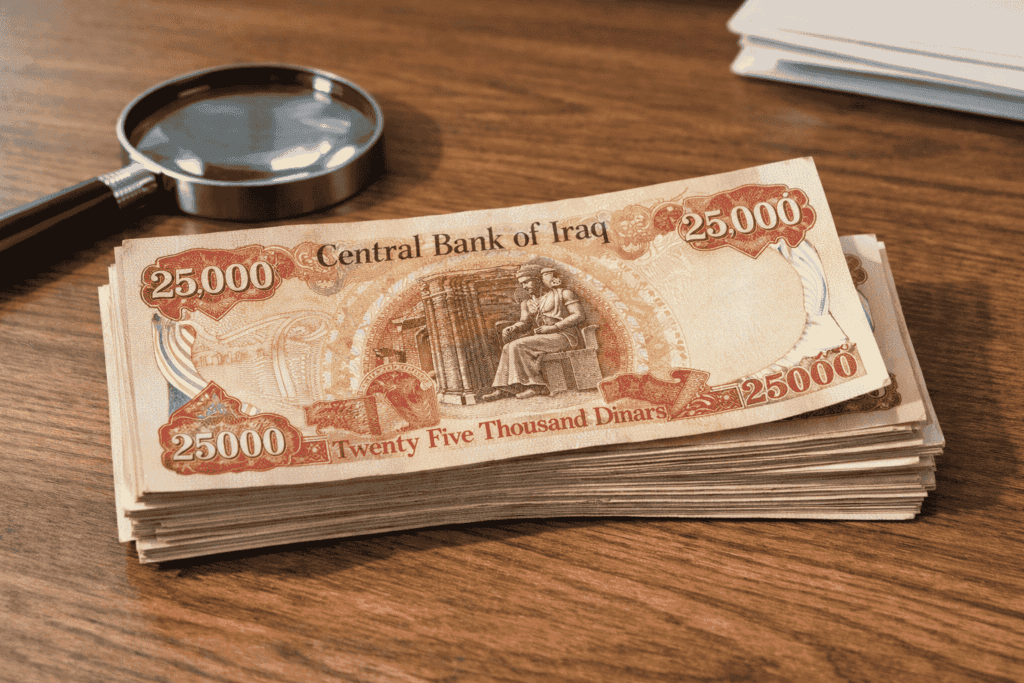
Close-up of authentic 25,000 Iraqi dinar 2003 series banknote with visible security features and magnifying glass for verification

Before You Buy Iraqi Dinar in 2026, Read This First

If you’re planning to buy iraqi dinar in 2026, pause for a moment. Not because it’s a bad idea. But because most buyers step into this market without understanding how it actually works. The result? Overpaying. Buying the wrong notes. Falling for hype. Or worse – purchasing counterfeit currency. This guide is written to give you facts, not speculation. No exaggerated claims. No unrealistic promises. Just clear, practical information so you can make an informed decision before buying iraqi dinar online or from a dealer. 1. Understand What You’re Actually Buying When you purchase iraqi dinar, you are buying physical foreign currency issued by the Central Bank of Iraq. Most notes available in today’s market belong to the iraqi dinar 2003 series, which remains the primary legal tender in Iraq. Common denominations include: 25,000 Iraqi dinar 50,000 Iraqi dinar note The 25000 Iraqi dinar note is by far the most commonly traded among international buyers. Before you buy, understand this clearly: When you buy Iraqi dinar, you are purchasing physical currency at a dealer’s retail price – not the rate used for large banking transactions. That difference matters. 2. Know the Difference Between Official Rate and Retail Price One of the biggest iraqi dinar myths is confusion around pricing. The official rate published by the Central Bank of Iraq reflects government and banking level currency value. It does not represent what individual buyers pay when purchasing physical notes. When you buy iraqi dinar online: Dealers include operational costs and margins. Shipping and insurance may affect total cost. If someone promises you a rate “too good to be true,” that’s your warning sign. Always compare: Total delivered price Cost per 25,000 note Shipping transparency Buyback policy Clarity reduces risk. 3. Learn the Security Features Before You Purchase If you’re buying physical iraqi dinar notes, especially uncirculated banknotes, you must know how to verify authenticity. The Iraqi dinar 2003 series includes several built-in security features: ✔ Watermark Visible when held against light. ✔ Security Thread Embedded vertically within the paper. ✔ Raised Intaglio Printing Textured feel on certain printed elements. ✔ Micro-printing Tiny text visible under magnification. ✔ Color-Shifting Ink Certain areas change tone at angles. If a dealer cannot clearly explain or demonstrate these features, that’s not a good sign. Buying authentic iraqi dinar requires basic inspection knowledge. Even if you’re not an expert, understanding these fundamentals protects you. 4. Separate Iraqi Dinar Facts from Myths There is a lot of noise around Iraqi dinar future speculation. Let’s separate facts from hype. Fact: The Iraqi dinar is a sovereign currency backed by Iraq’s economy and oil reserves. Fact: The currency has experienced redenomination discussions historically. Fact: The value is managed by Iraq’s central monetary authority. Now the myths: Myth: A sudden overnight revaluation will make small purchases instantly life-changing. There is no official confirmation of such events. Any decision should be made based on realistic expectations, not rumors. Myth: Buying more notes guarantees future profit. Currency markets don’t work like lottery tickets. Approach this as a currency purchase, not a guaranteed return. 5. Choose the Right Type of Notes Many buyers prefer uncirculated banknotes. Why? Because condition affects: Resale value Collectibility Authenticity confidence Uncirculated Iraqi dinar notes are: Crisp Unfolded Free from heavy wear Often bundled securely Circulated notes are legal, but may show: Fold lines Writing Surface wear If you’re buying for long term holding or collecting, uncirculated notes are generally preferred. 6. How to Buy Iraqi Dinar Online Safely Buying iqd online can be safe – if you follow basic due diligence. Here’s a practical checklist: Check Dealer Transparency Clear contact details Physical address Business registration Transparent pricing Ask About Shipping Insured delivery Tracking number Secure packaging Request Authenticity Guarantee A reputable dealer should stand behind their product. Review Customer Feedback Look for consistent reviews across platforms. Avoid: Unrealistic profit claims Aggressive “limited time” pressure Secret insider information promises Serious dealers focus on authenticity, not hype. 7. Understand Liquidity and Exit Strategy Before buying Iraqi dinar in 2026, ask yourself: How will I sell it later? Important questions: Does the dealer offer a buyback program? What spread exists between buy and sell price? Liquidity matters. It’s not just about buying – it’s about flexibility later. 8. Be Realistic About the Iraqi Dinar Future Economic changes depend on: Iraq’s political stability Oil production levels Monetary policy Global economic conditions Currency movements are gradual and policy driven. If someone predicts exact future values, be cautious. No one can guarantee future rates. 9. Who Should Consider Buying Iraqi Dinar? This may be suitable for: Currency collectors Diversification seekers Long-term speculative buyers comfortable with risk It may not be suitable for: Those expecting short-term guaranteed returns Buyers who don’t understand currency risk Your decisions should always match your personal risk tolerance. 10. Final Checklist Before You Buy Iraqi Dinar in 2026 Before completing any purchase, confirm: Understand retail vs official rates Can identify authentic Iraqi dinar notes You are buying from a transparent dealer You know whether notes are uncirculated Accept currency risk You have an exit plan If you can confidently answer yes to all of these, you’re making an informed decision. Final Thoughts Buying Iraqi dinar in 2026 is not about hype. It’s about awareness. The difference between a confident buyer and a regretful one usually comes down to preparation. Understand the Iraqi dinar 2003 series. Know the security features. Verify authenticity. Ignore unrealistic promises. Buy uncirculated banknotes if condition matters to you. And most importantly – make decisions based on facts, not speculation. If you approach it carefully, with due diligence and realistic expectations, you significantly reduce risk. Always verify independently before making purchases. Currency buying involves risk and informed buyers are protected buyers.

Before You Buy Iraqi Dinar in 2026, Read This First Read More »
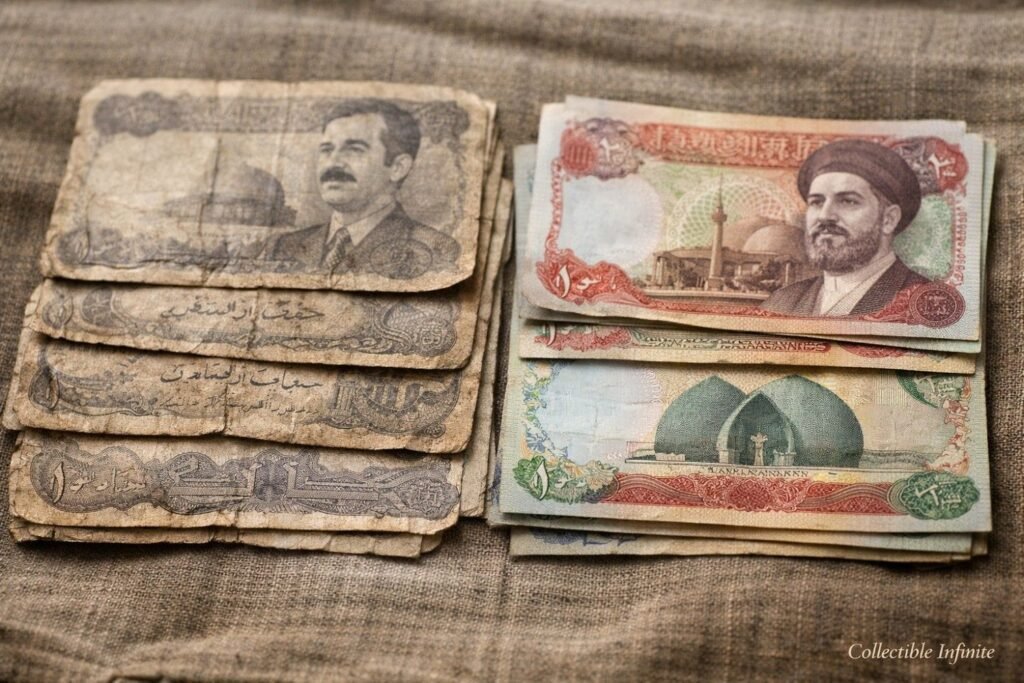
Historical evolution of Iraqi Dinar banknotes alongside modern uncirculated currency for collectors.

History of the Iraqi Dinar Origin and Evolution

Introduction I remember when i hold a 25,000 Iraqi dinar note for the first time. It was folded at corner, soft from year of use and smelled faintly of dust and old paper. I didn’t know much about money then, only that this note somehow mattered. Outside Iraq, people talk about the Iraqi currency like it’s just a number, an investment – “should i buy iraqi dinar?” “is now the right time to buy iqd?” – but inside, money is different. It’s bread, it’s bus fare, it’s wages stretched thin, it’s hope, sometimes, for tomorrow. I’ve seen people carry stacks of dinar notes, counting them slowly, almost reverently. People would sometimes frown and recount, whispering numbers to themselves. Money in Iraq isn’t just currency – it’s life in miniature. Before Iraq Had Its Own Currency Long before the dinar, people here already knew the value of trade. i’ve wandered through old markets in baghdad, basra, mosul and even then, you could feel it. coins clinked, voices called prices, spices and bread scents mingled in the air. Money moved hand to hand, sometimes silver, sometimes gold, sometimes foreign coins from traders passing through. People didn’t care where it came from – if it worked, they used it. Under Ottoman rule, coins moved quietly, no one really thinking beyond the day. After World War I, Britain took over and the Indian rupee became common. groceries, rents, wages – all in rupees. People adapted, of course, but it never felt theirs. It reminded them constantly of who really controlled things. I remember hearing someone say, “you counted your coins twice, not to cheat anyone, but to make sure you weren’t cheated by life.” The Birth Of The Iraqi Dinar In 1932, the Iraqi dinar appear. It was slow, careful, almost hesitant. the rupee didn’t vanish overnight. People took time to trust it, slowly, one note at a time. The dinar was pegged to British pound – not because anyone loved the pound, but because it was strong, it was reliable, it gave people something to lean on. I remember a story my grandfather told me: he was a boy, walking to the market, holding a new dinar note and feeling a strange mix of excitement and fear. “Would it be accepted?” he asked. “Would it last?” he would say later. trust doesn’t arrive in speeches – it arrives slowly, over days and months, through small, repeated actions. Early Notes And Daily Life The first dinar notes were printed abroad but made to feel familiar – Arabic letters, symbols that people recognized. I’ve seen them, tucked behind drawer in old shop, edge soft, smell of ink and dust clinging to them. People counted them carefully, sometime folding them again and again before handing them over. Money is intimate. Trust grows in hands, not in offices. Over time, the notes worked. prices stabilized. wages held value. saving became possible again. One day, my uncle brought home notes and shared them with neighbors over tea, explaining slowly, patiently, that this was now their money. Small interactions like this taught communities how to live with currency, how to trust it, how to plan around it. Life With A Reliable Dinar From 1940s to the 1960s, the dinar became ordinary. It worked, quietly. Oil revenue helped strengthen life: roads, schools, hospitals. Daily routines went on without panic. I remember my father talking about walking home from school, counting coins in his pocket, calculating the cost of bread, tea, bus fares. life felt predictable. Ordinary reliability is rare. People could save, plan, dream – even just quietly imagine a better day. The dinar allowed that. Political Shifts And Resilience The 1958 revolution changed everything politically. fear and hope mingled. yet the dinar endured. salaries were still paid, shop stayed open, life adjusted. It persisted because life demanded it, not because anyone guaranteed it. In the 1970s, oil nationalization brought new confidence. The dinar felt strong. trusted. older Iraqis talk about those days fondly – walking through markets, children fascinated by colorful notes, shopkeepers handling bills carefully, counting money in small stacks for weeks of wages. buying iraqi dinar, buying iqd, handling the currency – all part of daily life, all human, all tactile. War, Sanctions and Struggle War changes everything, slowly, painfully. During the Iran–Iraq war, the dinar weakened over time. Military spending drained resources, exports slowed, debt quietly grew. Prices crept up, saving shrank. People adapted quietly, hoping for normalcy. After 1990, sanction isolated the country. Imports stopped, government revenue disappeared, the dinar lost value fast. I remember seeing stacks of notes meant for one meal barely cover it. People stopped counting precisely. Money became physical – carried in bundles, folded, guarded. Life became a negotiation with the currency itself. In the north, swiss dinar note lasted longer. no new printing, no sudden floods of cash. people trusted them. value survived because belief survived. It was a quiet lesson for everyone: currency exists because people believe in it, not just because officials declare it. Market-Life Stories And Reflections I’ve spent hours in markets across Baghdad, Basra, mosul. vendors counting notes, calling out prices, adjusting coins for haggling customers. a family budgeting for a week’s groceries, stacking notes carefully, calculating every dinar. small moments of human adaptation. Sometimes, children would sit beside vendors, watching and learning how to handle money, how to fold notes, how to count quickly. elders would shake their heads, smiling. Buying iraqi dinar, buying iqd or purchasing Iraqi dinar currency isn’t just collecting – it’s an education, a ritual, a practice of life itself. Rumors of devaluation spread quickly. People whispered calculations, lined up at exchange shops, counted notes repeatedly. Small actions became urgent, daily, personal. I watched once as a woman carefully divided her notes for bread, tea and savings, sighing softly. This is the reality of money here – immediate, physical, human. After 2003: Repairing Trust After 2003, new Iraqi dinar notes appeared: cleaner, more secure, carefully printed. it wasn’t optimism; it

History of the Iraqi Dinar Origin and Evolution Read More »

0
    0
    Your Cart
    Your cart is emptyReturn to Shop
    Call Now