collectibleinfinite.com

Author name: Admin

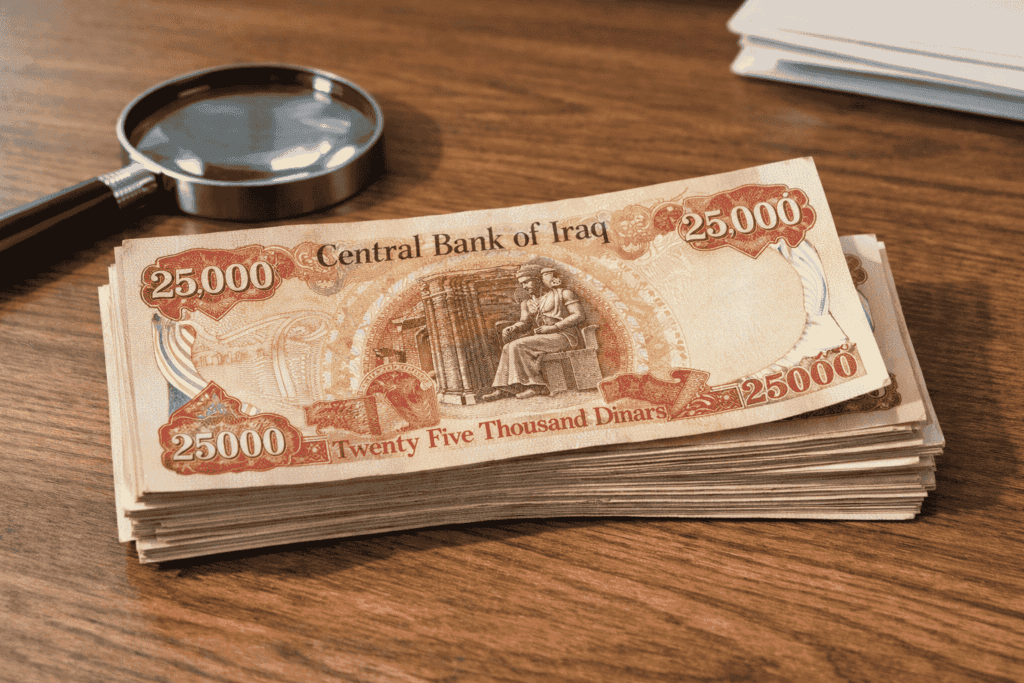
comparison showing authentic uncirculated 2003 series Iraqi dinar notes valued by collectors in 2026

The Current Value of Iraqi Dinar: A 2026 Market Analysis for Collectors

To understand the value of Iraqi Dinar (IQD), one needs to examine its past background and the present-day coin and banknote market. In 2026, the landscape for currency collectors is defined by a demand for authenticated, uncirculated note. This analysis provides a comprehensive look at what determines the value of these collectibles today and how you can navigate the market with confidence. The Evolution of Iraqi Dinar Value The value of Iraqi Dinar has undergone significant shifts since its introduction in 1932. Originally pegged to the British pound, the currency was a symbol of national stability. However, decades of conflict, sanction and economic restructuring have transformed the IQD into a complex asset for collectors. For most modern collectors, the focus is on the 2003 series, which replaced the older “Saddam notes” following the fall of the previous regime. These newer notes were designed with advanced security feature to combat counterfeiting, making them the gold standard for those looking to buy Iraqi Dinar safely. Current Iraqi Dinar Market in 2026 In the current year, the value of Iraqi Dinar in the collector’s market is driven by three primary factors: Condition and Grading: An uncirculated Iraqi Dinar note holds a significantly higher premium than a circulated one. Collectors prioritize “crisp” note with no folds or ink degradations. Denomination Demand: The 25,000 Iraqi Dinar note remain the most searched and traded denomination globally. Its high face value and intricate artwork make it a centerpiece for many collection. Authentication Trust: As the market grows, so does the risk of unreliable listings. Trusted platforms like Collectible Infinite ensure that the value of Iraqi Dinar you purchase is backed by UV-light verification. What Determines the “Safe” Value of Iraqi Dinar? When searching for the best place to buy Iraqi Dinar, safety is the most critical variable. A “cheap” price often indicates low quality or non authenticated notes. To ensure you are receiving true value, consider these professional standards: UV-Light Verification and Security Modern IQD notes contain security threads and watermarks that are only visible under specific light frequencies. If a seller cannot prove they use these tools, the collectible value of the notes is unverified. Series Consistency Collectors typically look for the 2003 series and later. The value of Iraqi Dinar from this era is more stable because these notes are currently used in Iraq’s economy, unlike demonetized historical notes which are strictly “curio” items. Buying Iraqi Dinar in the United States For those in the US, the value of Iraqi Dinar is often influenced by domestic shipping and insurance costs. Purchasing from a US-based dealer provides: Faster delivery compared to international sellers. Protected transactions through US-regulated payment gateways. Insured shipping, ensuring your uncirculated notes arrive in pristine condition. How to Protect the Long Term Value of Your Collection Once you have acquired your notes, preserving their condition is vital to maintaining the value of Iraqi Dinar. Store Flat – Never fold your uncirculated notes; use acid free plastic sleeves. Avoid Sunlight – Direct UV exposure can fade the vibrant colors of the IQD. Control Moisture – High humidity can cause the paper to ripple, destroying its “uncirculated” status. Why Collectors Still Buy Iraqi Dinar in 2026 Collectors are not buying Iraqi dinar hoping to get rich overnight. They buy it because: 1. Historical Importance The notes represent a key period in Middle Eastern history. 2. Unique Design Iraqi dinar notes feature strong cultural and architectural imagery. 3. Affordability Compared to rare coins, dinar notes are accessible for new collectors. 4. Availability in Uncirculated Condition Many notes are still available in pristine condition, which collectors value. Factor That Affect the Value of Iraqi Dinar Notes 1. Condition (Most Important) Uncirculated notes are worth more Creases, folds, stains reduce value Original bank bundles add credibility 2. Denomination Higher denominations like 25,000 Iraqi dinar attract more interest Lower denominations may appeal to niche collectors 3. Series and Year Post-2003 series are the most commonly collected Certain print runs are harder to find 4. Authenticity Counterfeit notes exist Documentation and seller reputation matter Common Myths About the Value of Iraqi Dinar Let’s clear a few things up. Myth: Iraqi dinar will suddenly revalue massively There is no official confirmation of this. Myth: All dinar notes will increase in value Only well-preserved, authentic notes hold collector interest. Collectors who understand these facts tend to make better decision. The 25,000 Dinar Note: A Cultural Masterpiece The 25,000 Iraqi Dinar note is not just money; it is a canvas of Iraqi heritage. The Obverse: Features a Kurdish farmer holding a sheaf of wheat, symbolizing the agricultural roots of the Tigris and Euphrates valleys. The Reverse: Depicts the Code of Hammurabi, representing the region as the “Cradle of Civilization”. This blend of ancient history and modern security is why the value of Iraqi Dinar remains high in numismatic circles. Navigating the 2026 Procurement Landscape Today, the value of Iraqi Dinar is often debated on social media. However, professional collectors know that buying Iraqi Dinar should never be based on rumors of “revaluation”. Instead, it should be treated as an acquisition of certified collectible assets. At Collectible Infinite, we focus on the transparency of the transaction. We ensure that every Iraqi Dinar 25000 bundle is: Directly Sourced: Ensuring no “folded corners” or “smell of dust” from circulation. UV-Verified: Every single note is scanned before packaging. Insured for Shipping: Protecting the value of Iraqi Dinar from the moment it leaves our hands to the moment it reaches your collection. The Future of Iraqi Dinar for Collectors As Iraq continues its path of reconstruction, global interest in its currency remains steady. While there is ongoing discussion around its future outlook, the value of the Iraqi dinar as a historical and numismatic item is widely recognized. These notes reflect the resilience of a nation and highlight the evolution of modern central banking in the Middle East. Conclusion The value of Iraqi Dinar in 2026 is about more than just numbers; it reflects the quality, history, and

The Current Value of Iraqi Dinar: A 2026 Market Analysis for Collectors Read More »

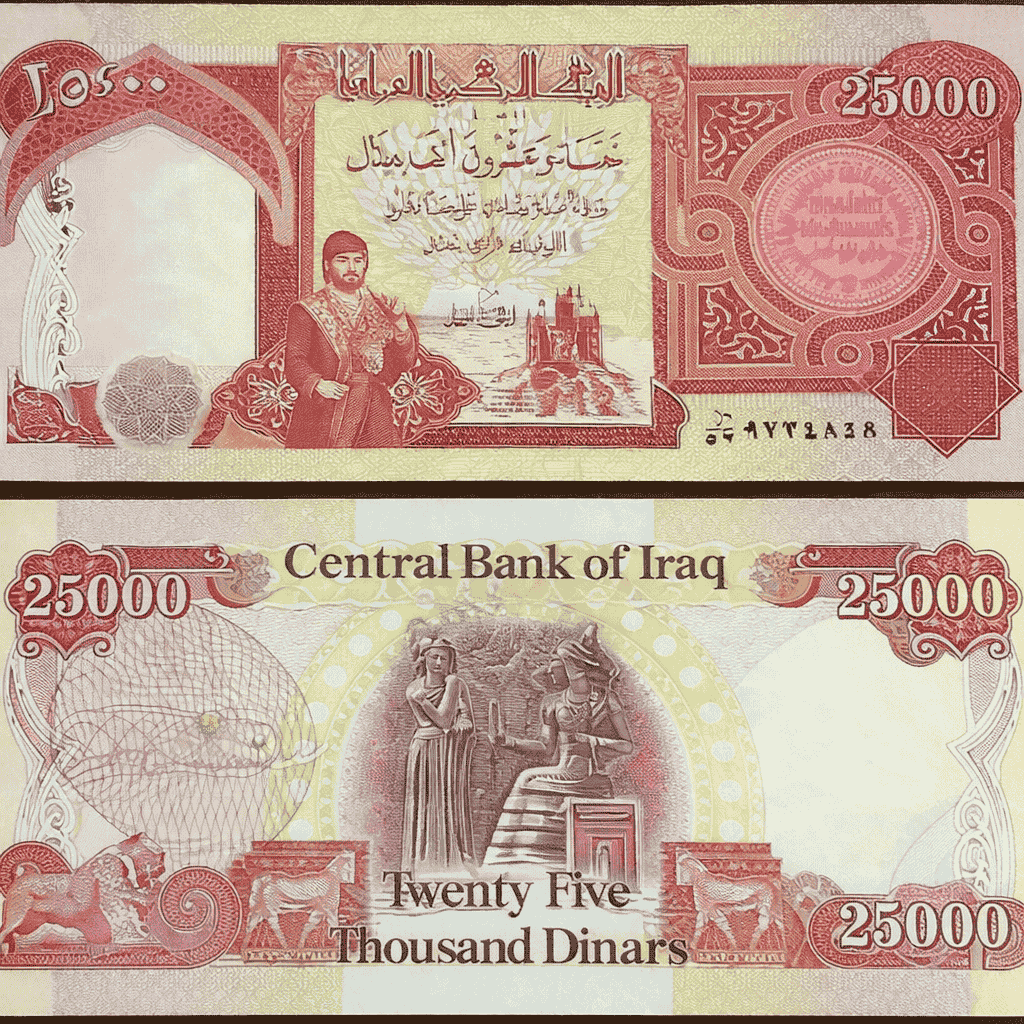
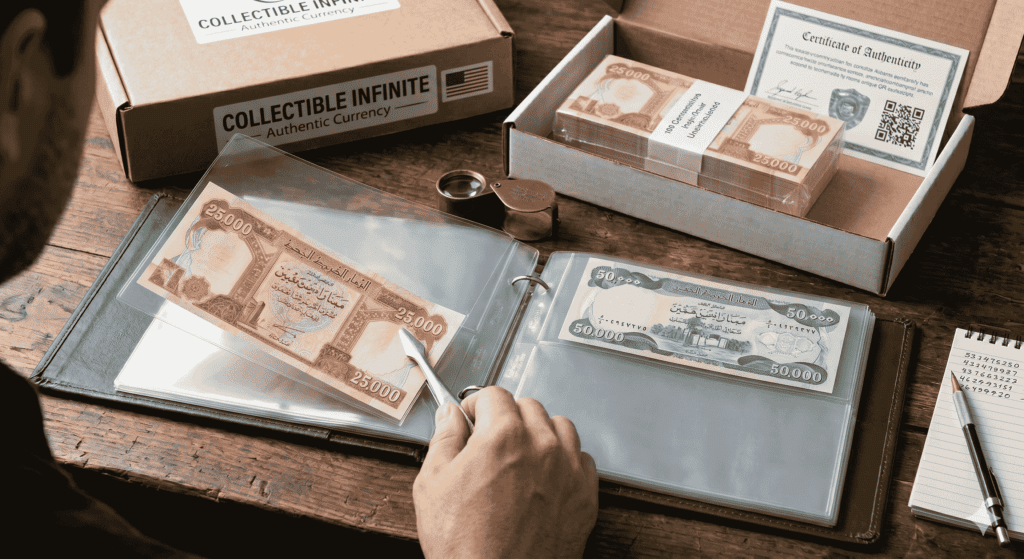
Uncirculated 25,000 Iraqi Dinar banknote from the 2003 series showing front and back details

Where Can I Buy Uncirculated Iraqi Dinars (2003 Series) Safely in the United States?

If you’re looking to buy dinar online, especially for collecting purposes, it’s important to know exactly what you’re purchasing and who you’re buying from. Many collectors searching for iqd for sale quickly realize that not all online listings are equal and choosing the wrong source can lead to disappointment. This guide is written to help collector understand how to buy Iraqi dinar online safely in the United States, with a focus on uncirculated 2003 series notes. Understanding the Iraqi Dinar 2003 Series The 2003 series Iraqi dinar is one of the most searched collectible currencies today. Collector often seek specific denomination, especially the 25,000 Iraqi dinar, because of its detailed design, recognizability and availability in uncirculated condition. Many buyers searching for Iraqi dinar notes prefer verified bundles where the denomination and series are clearly stated, reducing uncertainty during purchase. What Does “Uncirculated” Really Mean? Uncirculated note are particularly important when browsing dinar for sale listings. These notes have not entered general circulation and retain their original crisp condition, which makes them far more desirable for collector. When reviewing listings for Iraqi dinar 25000, always check whether the seller clearly mentions uncirculated condition rather than vague terms like “almost new.” Is It Legal to Buy Iraqi Dinar in the United States? Yes. Collectors in the U.S. can legally purchase Iraqi dinar as collectible currency. Many people search for buy Iraqi dinar near me, but online platform often provide a wider selection, clearer documentation and easier access than local sources. The key is ensuring the notes are sold transparently for collecting purposes only. Why Safety Matters When Buying Iraqi Dinar Online Because there is steady demand for buy dinar online, the niche attracts both genuine seller and unreliable sources. This is why experienced collectors often recommend purchasing from established platform that specialize in verified currency. Choosing the best place to buy Iraqi dinar is less about price and more about trust, documentation and clarity. How to Identify a Trustworthy Iraqi Dinar Seller A reliable seller will: Clearly list denominations such as 25,000 Iraqi dinar Display accurate images of the actual notes Explain condition and handling Avoid speculative or misleading claims Dedicated currency marketplaces make this process easier by organizing listings into focused categories rather than mixing them with unrelated products. Where Can You Buy Uncirculated Iraqi Dinars Safely in the U.S.? Collectors looking to buy Iraqi dinar online often prefer curated category pages where all listings follow consistent quality standards. For example, browsing a dedicated Iraqi dinar collection allows collectors to compare available bundles, denominations and note conditions in one place: This approach removes confusion and helps buyers make informed decision. How to Identify a Trustworthy Iraqi Dinar Seller When buying uncirculated Iraqi dinars in the U.S., always check for these key trust signals: 1. Clear Product Descriptions A reliable seller provides: Exact denomination (e.g., 25,000 IQD) Series year (2003 clearly mentioned) Condition details Quantity per bundle Vague listings are a red flag. 2. Transparent Purpose Trustworthy websites state that: Notes are sold for numismatic or collectible purposes No speculative claims are made This transparency aligns with ethical selling practices and builds long-term trust. 3. Authentication & Quality Checks Look for sellers that explain how notes are verified, including: Visual inspection Security feature checks Handling and storage standards Even a simple explanation shows professionalism and care. 4. Real Contact Information A safe website should have: A contact page Clear business identity Customer support access If you can’t find a way to reach the seller, think twice. 5. Secure Checkout & Shipping Security isn’t just about authenticity. It also includes: Encrypted checkout Trackable shipping Protective packaging for banknotes Why Collectors Prefer Specialized Currency Stores Unlike general marketplaces, niche currency platforms: Understand banknote grading standards Handle notes properly Provide accurate series and denomination details Avoid misleading language This specialization significantly reduces risk for buyers. Popular Iraqi Dinar Denominations Among Collectors While various denominations exist, the iraqi dinar 25000 remains one of the most commonly collected notes. It is frequently offered in multi-note bundles and is widely recognized within numismatic communities. Collectors often begin with a single denomination and expand later by exploring additional authenticated listings available across curated product catalogs. To view verified collectible listings across currencies, collectors can also explore the full product range here: Common Mistakes to Avoid When Buying Iraqi Dinar Even when searching for buy Iraqi dinar online, collectors should avoid: Choosing listings without condition details Purchasing from sellers that don’t specialize in currency Assuming lower prices always mean better value Being patient and buying from structured collections reduces risk significantly. How Beginners Can Start Collecting Iraqi Dinar Safely If you’re new, start simple: Choose a trusted U.S.-based seller Buy a small uncirculated bundle Learn how to inspect notes Store them properly in protective sleeves Over time, you’ll develop confidence and knowledge. Storage Tips for Uncirculated Iraqi Dinar Notes To preserve condition: Store notes flat Use acid free sleeves Avoid moisture and direct sunlight Handle with clean, dry hands Proper storage ensures the notes remain display worthy for years. Final Thought: Buying Iraqi Dinar with Confidence Whether you are searching for iqd for sale, expanding an existing collection or just starting out, the safest approach is choosing clarity over hype. Trusted platform, clear listings and verified condition details matter far more than bold promises. When collectors focus on authenticity, transparency and proper sourcing, buying Iraqi dinar becomes a straightforward and rewarding experiences.

Where Can I Buy Uncirculated Iraqi Dinars (2003 Series) Safely in the United States? Read More »

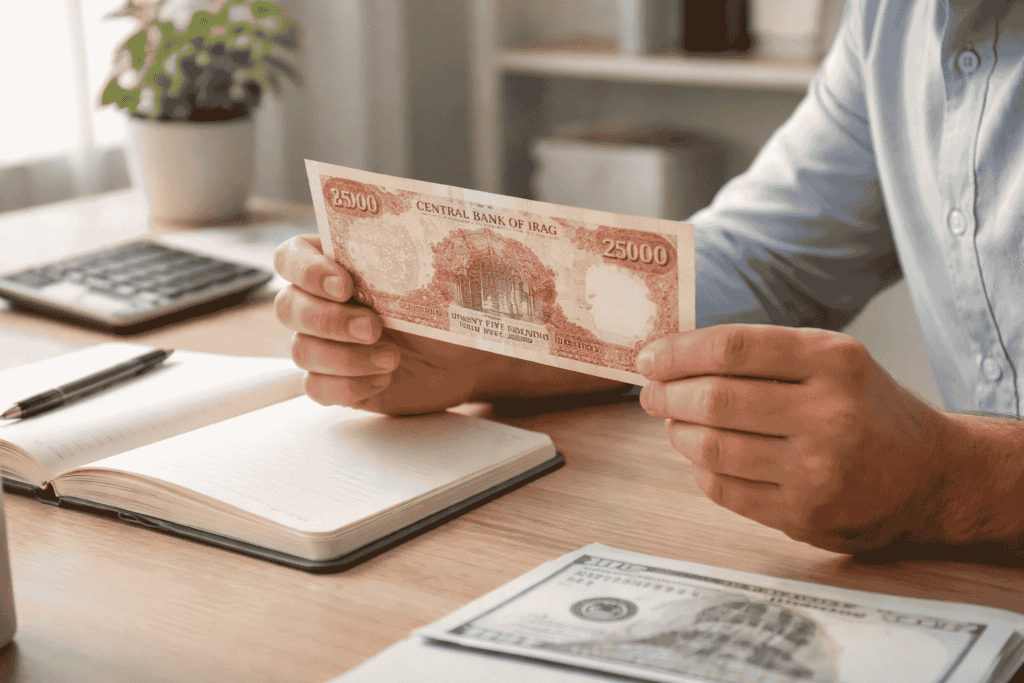
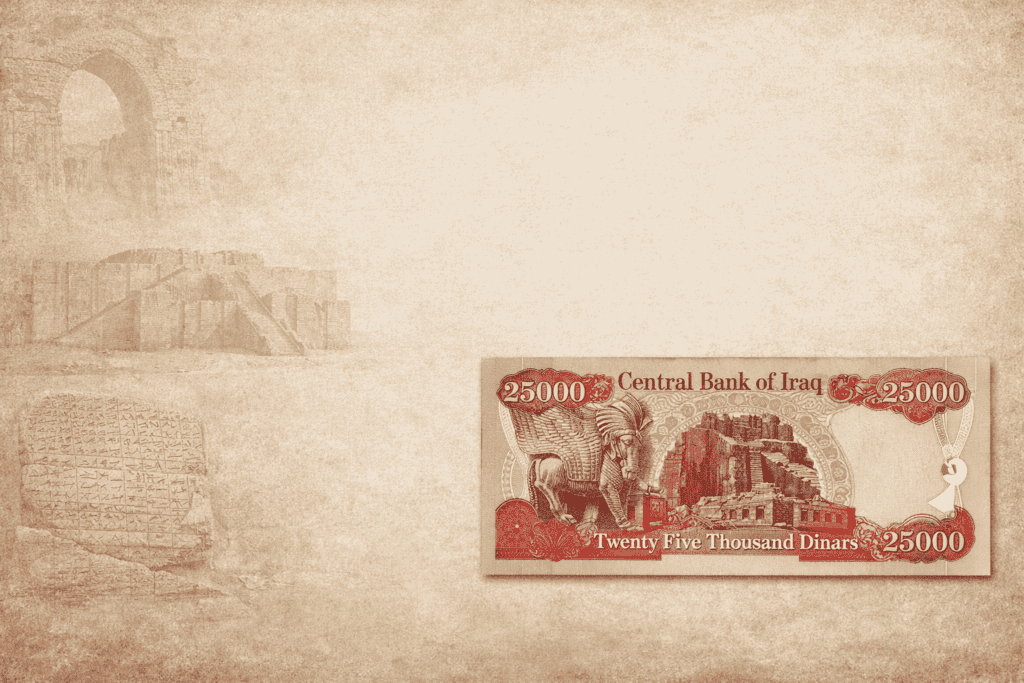
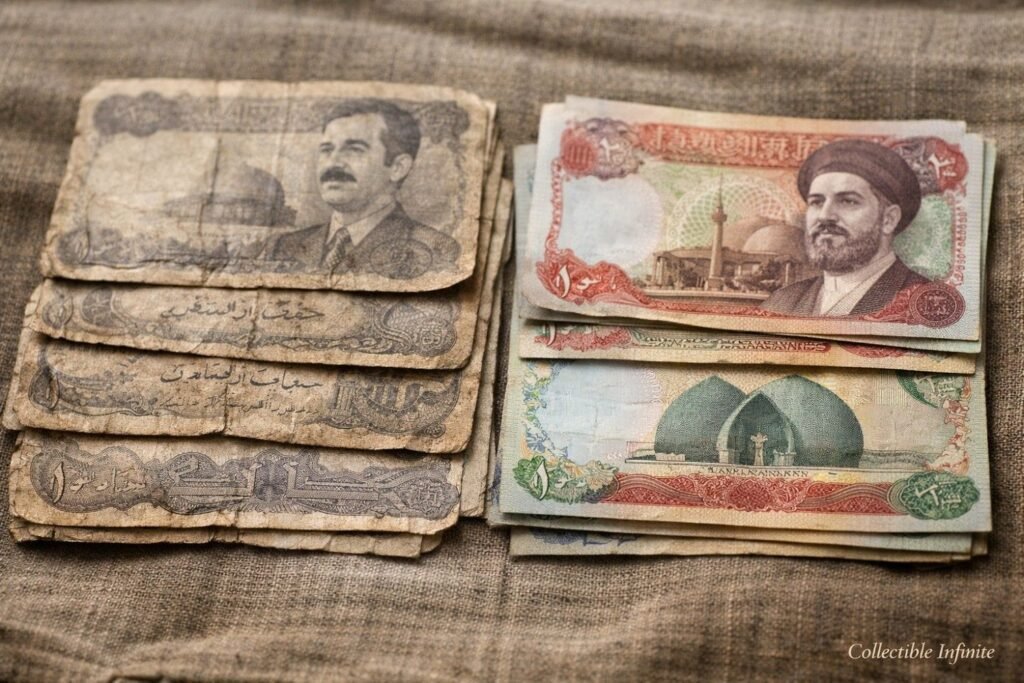
Historical evolution of Iraqi Dinar banknotes alongside modern uncirculated currency for collectors.

History of the Iraqi Dinar Origin and Evolution

Introduction I remember when i hold a 25,000 Iraqi dinar note for the first time. It was folded at corner, soft from year of use and smelled faintly of dust and old paper. I didn’t know much about money then, only that this note somehow mattered. Outside Iraq, people talk about the Iraqi currency like it’s just a number, an investment – “should i buy iraqi dinar?” “is now the right time to buy iqd?” – but inside, money is different. It’s bread, it’s bus fare, it’s wages stretched thin, it’s hope, sometimes, for tomorrow. I’ve seen people carry stacks of dinar notes, counting them slowly, almost reverently. People would sometimes frown and recount, whispering numbers to themselves. Money in Iraq isn’t just currency – it’s life in miniature. Before Iraq Had Its Own Currency Long before the dinar, people here already knew the value of trade. i’ve wandered through old markets in baghdad, basra, mosul and even then, you could feel it. coins clinked, voices called prices, spices and bread scents mingled in the air. Money moved hand to hand, sometimes silver, sometimes gold, sometimes foreign coins from traders passing through. People didn’t care where it came from – if it worked, they used it. Under Ottoman rule, coins moved quietly, no one really thinking beyond the day. After World War I, Britain took over and the Indian rupee became common. groceries, rents, wages – all in rupees. People adapted, of course, but it never felt theirs. It reminded them constantly of who really controlled things. I remember hearing someone say, “you counted your coins twice, not to cheat anyone, but to make sure you weren’t cheated by life.” The Birth Of The Iraqi Dinar In 1932, the Iraqi dinar appear. It was slow, careful, almost hesitant. the rupee didn’t vanish overnight. People took time to trust it, slowly, one note at a time. The dinar was pegged to British pound – not because anyone loved the pound, but because it was strong, it was reliable, it gave people something to lean on. I remember a story my grandfather told me: he was a boy, walking to the market, holding a new dinar note and feeling a strange mix of excitement and fear. “Would it be accepted?” he asked. “Would it last?” he would say later. trust doesn’t arrive in speeches – it arrives slowly, over days and months, through small, repeated actions. Early Notes And Daily Life The first dinar notes were printed abroad but made to feel familiar – Arabic letters, symbols that people recognized. I’ve seen them, tucked behind drawer in old shop, edge soft, smell of ink and dust clinging to them. People counted them carefully, sometime folding them again and again before handing them over. Money is intimate. Trust grows in hands, not in offices. Over time, the notes worked. prices stabilized. wages held value. saving became possible again. One day, my uncle brought home notes and shared them with neighbors over tea, explaining slowly, patiently, that this was now their money. Small interactions like this taught communities how to live with currency, how to trust it, how to plan around it. Life With A Reliable Dinar From 1940s to the 1960s, the dinar became ordinary. It worked, quietly. Oil revenue helped strengthen life: roads, schools, hospitals. Daily routines went on without panic. I remember my father talking about walking home from school, counting coins in his pocket, calculating the cost of bread, tea, bus fares. life felt predictable. Ordinary reliability is rare. People could save, plan, dream – even just quietly imagine a better day. The dinar allowed that. Political Shifts And Resilience The 1958 revolution changed everything politically. fear and hope mingled. yet the dinar endured. salaries were still paid, shop stayed open, life adjusted. It persisted because life demanded it, not because anyone guaranteed it. In the 1970s, oil nationalization brought new confidence. The dinar felt strong. trusted. older Iraqis talk about those days fondly – walking through markets, children fascinated by colorful notes, shopkeepers handling bills carefully, counting money in small stacks for weeks of wages. buying iraqi dinar, buying iqd, handling the currency – all part of daily life, all human, all tactile. War, Sanctions and Struggle War changes everything, slowly, painfully. During the Iran–Iraq war, the dinar weakened over time. Military spending drained resources, exports slowed, debt quietly grew. Prices crept up, saving shrank. People adapted quietly, hoping for normalcy. After 1990, sanction isolated the country. Imports stopped, government revenue disappeared, the dinar lost value fast. I remember seeing stacks of notes meant for one meal barely cover it. People stopped counting precisely. Money became physical – carried in bundles, folded, guarded. Life became a negotiation with the currency itself. In the north, swiss dinar note lasted longer. no new printing, no sudden floods of cash. people trusted them. value survived because belief survived. It was a quiet lesson for everyone: currency exists because people believe in it, not just because officials declare it. Market-Life Stories And Reflections I’ve spent hours in markets across Baghdad, Basra, mosul. vendors counting notes, calling out prices, adjusting coins for haggling customers. a family budgeting for a week’s groceries, stacking notes carefully, calculating every dinar. small moments of human adaptation. Sometimes, children would sit beside vendors, watching and learning how to handle money, how to fold notes, how to count quickly. elders would shake their heads, smiling. Buying iraqi dinar, buying iqd or purchasing Iraqi dinar currency isn’t just collecting – it’s an education, a ritual, a practice of life itself. Rumors of devaluation spread quickly. People whispered calculations, lined up at exchange shops, counted notes repeatedly. Small actions became urgent, daily, personal. I watched once as a woman carefully divided her notes for bread, tea and savings, sighing softly. This is the reality of money here – immediate, physical, human. After 2003: Repairing Trust After 2003, new Iraqi dinar notes appeared: cleaner, more secure, carefully printed. it wasn’t optimism; it

History of the Iraqi Dinar Origin and Evolution Read More »

0
    0
    Your Cart
    Your cart is emptyReturn to Shop
    Call Now