

Introduction
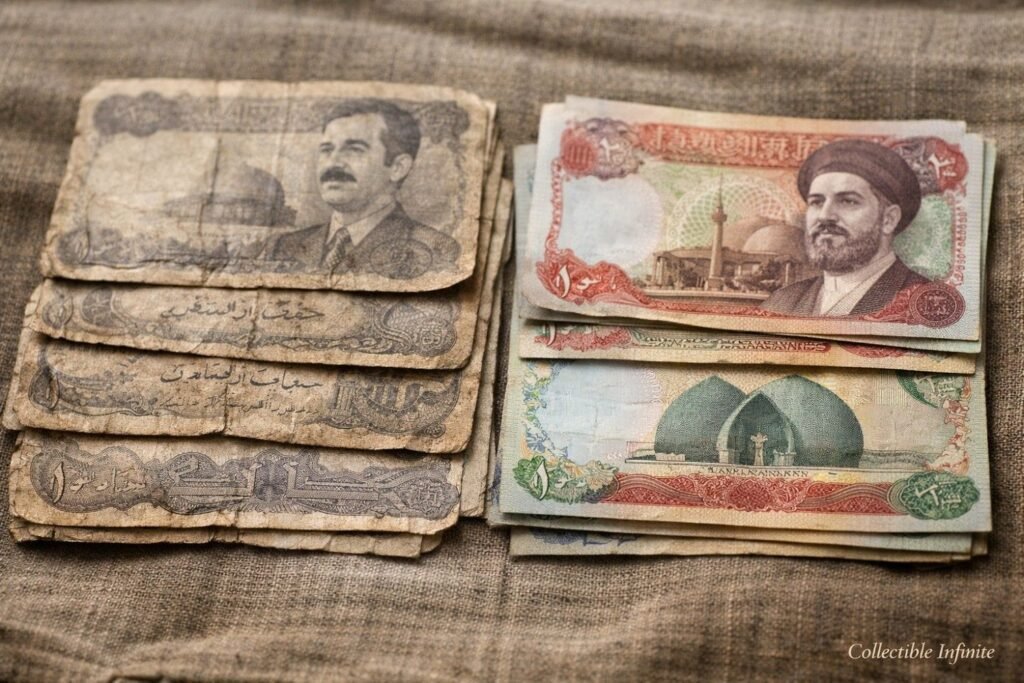
I remember when i hold a 25,000 Iraqi dinar note for the first time. It was folded at corner, soft from year of use and smelled faintly of dust and old paper. I didn’t know much about money then, only that this note somehow mattered. Outside Iraq, people talk about the Iraqi currency like it’s just a number, an investment – “should i buy iraqi dinar?” “is now the right time to buy iqd?” – but inside, money is different. It’s bread, it’s bus fare, it’s wages stretched thin, it’s hope, sometimes, for tomorrow.
I’ve seen people carry stacks of dinar notes, counting them slowly, almost reverently. People would sometimes frown and recount, whispering numbers to themselves. Money in Iraq isn’t just currency – it’s life in miniature.
Before Iraq Had Its Own Currency
Long before the dinar, people here already knew the value of trade. i’ve wandered through old markets in baghdad, basra, mosul and even then, you could feel it. coins clinked, voices called prices, spices and bread scents mingled in the air. Money moved hand to hand, sometimes silver, sometimes gold, sometimes foreign coins from traders passing through. People didn’t care where it came from – if it worked, they used it.
Under Ottoman rule, coins moved quietly, no one really thinking beyond the day. After World War I, Britain took over and the Indian rupee became common. groceries, rents, wages – all in rupees. People adapted, of course, but it never felt theirs. It reminded them constantly of who really controlled things. I remember hearing someone say, “you counted your coins twice, not to cheat anyone, but to make sure you weren’t cheated by life.”
The Birth Of The Iraqi Dinar
In 1932, the Iraqi dinar appear. It was slow, careful, almost hesitant. the rupee didn’t vanish overnight. People took time to trust it, slowly, one note at a time. The dinar was pegged to British pound – not because anyone loved the pound, but because it was strong, it was reliable, it gave people something to lean on.
I remember a story my grandfather told me: he was a boy, walking to the market, holding a new dinar note and feeling a strange mix of excitement and fear. “Would it be accepted?” he asked. “Would it last?” he would say later. trust doesn’t arrive in speeches – it arrives slowly, over days and months, through small, repeated actions.
Early Notes And Daily Life
The first dinar notes were printed abroad but made to feel familiar – Arabic letters, symbols that people recognized. I’ve seen them, tucked behind drawer in old shop, edge soft, smell of ink and dust clinging to them. People counted them carefully, sometime folding them again and again before handing them over. Money is intimate. Trust grows in hands, not in offices.
Over time, the notes worked. prices stabilized. wages held value. saving became possible again. One day, my uncle brought home notes and shared them with neighbors over tea, explaining slowly, patiently, that this was now their money. Small interactions like this taught communities how to live with currency, how to trust it, how to plan around it.
Life With A Reliable Dinar
From 1940s to the 1960s, the dinar became ordinary. It worked, quietly. Oil revenue helped strengthen life: roads, schools, hospitals. Daily routines went on without panic. I remember my father talking about walking home from school, counting coins in his pocket, calculating the cost of bread, tea, bus fares. life felt predictable.
Ordinary reliability is rare. People could save, plan, dream – even just quietly imagine a better day. The dinar allowed that.
Political Shifts And Resilience
The 1958 revolution changed everything politically. fear and hope mingled. yet the dinar endured. salaries were still paid, shop stayed open, life adjusted. It persisted because life demanded it, not because anyone guaranteed it.
In the 1970s, oil nationalization brought new confidence. The dinar felt strong. trusted. older Iraqis talk about those days fondly – walking through markets, children fascinated by colorful notes, shopkeepers handling bills carefully, counting money in small stacks for weeks of wages. buying iraqi dinar, buying iqd, handling the currency – all part of daily life, all human, all tactile.
War, Sanctions and Struggle
War changes everything, slowly, painfully. During the Iran–Iraq war, the dinar weakened over time. Military spending drained resources, exports slowed, debt quietly grew. Prices crept up, saving shrank. People adapted quietly, hoping for normalcy.
After 1990, sanction isolated the country. Imports stopped, government revenue disappeared, the dinar lost value fast. I remember seeing stacks of notes meant for one meal barely cover it. People stopped counting precisely. Money became physical – carried in bundles, folded, guarded. Life became a negotiation with the currency itself.
In the north, swiss dinar note lasted longer. no new printing, no sudden floods of cash. people trusted them. value survived because belief survived. It was a quiet lesson for everyone: currency exists because people believe in it, not just because officials declare it.
Market-Life Stories And Reflections
I’ve spent hours in markets across Baghdad, Basra, mosul. vendors counting notes, calling out prices, adjusting coins for haggling customers. a family budgeting for a week’s groceries, stacking notes carefully, calculating every dinar. small moments of human adaptation.
Sometimes, children would sit beside vendors, watching and learning how to handle money, how to fold notes, how to count quickly. elders would shake their heads, smiling. Buying iraqi dinar, buying iqd or purchasing Iraqi dinar currency isn’t just collecting – it’s an education, a ritual, a practice of life itself.
Rumors of devaluation spread quickly. People whispered calculations, lined up at exchange shops, counted notes repeatedly. Small actions became urgent, daily, personal. I watched once as a woman carefully divided her notes for bread, tea and savings, sighing softly. This is the reality of money here – immediate, physical, human.
After 2003: Repairing Trust
After 2003, new Iraqi dinar notes appeared: cleaner, more secure, carefully printed. it wasn’t optimism; it was necessity. old notes exchanged. new ones circulated. markets resumed rhythm. people adjusted again. Life continued slowly, one transaction at a time.
Today, the dinar continues quietly. Inside Iraq, it pays wages, fills markets, moves from hand to hand. Outside, people debate whether to buy iraqi dinar, buy iraq currency or purchase iraqi dinar currency. two realities, rarely intersecting, but the currency persists, quietly necessary.
Reflections On The Dinar
The Iraqi dinar is neither pure success nor failure. it represent adaptation, endurance and resilience. Small moments – counting note at a stall, budgeting at home, handing change to a neighbor – reveal its human side. buying iraqi dinar, using it daily, participating in the flow of money – all of it is part of a long, uneven story. It is lived, felt, trusted, folded, counted and carried in hands and minds.
Conclusion
The Iraqi dinar mirror Iraq itself: uneven, interrupted, persistent. people will continue debating whether to buy iraqi dinar, buy iqd or invest in iraqi currency. inside Iraq, the dinar continue its daily life: circulating, carrying weight, being necessary. It is human. it is present. it endures.